Dear Partners and Friends,
As 2025 draws to a close — my first year as CEO — I’ve been struck by how much momentum we’ve built at TomorrowNow, and how that momentum is showing up where it matters most: in the day-to-day decisions farmers make as they navigate an increasingly unpredictable climate.
I stepped into this role in March, and from the outset, what stood out was the strength of the foundation already in place: deep partnerships and a clear focus on turning agro-met intelligence into decisions farmers can use. This year has been about building on that foundation — thoughtfully, collaboratively, and with impact at the center.
From Data to Impact
On the First Mile, which focuses on gathering, validating, and integrating climate and weather data so it is trusted, locally relevant, and ready for use, we expanded data coverage to all East African countries and made these datasets openly available through the Global Access Platform (GAP). Through the NOAA PREPARE program, we also established direct partnerships with national meteorological agencies across the region and hosted our first East Africa workshop—embedding TomorrowNow tools into existing national systems and workflows so that forecasts and climate insights are institutionally trusted and built for long-term scale.
In parallel, we broadened and deepened technology partnerships with leading data providers—Tomorrow.io, Google.org, Salient Predictions, Windborne Technologies, and TAHMO—and strengthened our validation processes to benchmark performance, improve reliability, and support responsible operational use.
On the Last Mile, which centers on translating validated climate intelligence into practical tools that reach farmers and inform real decisions, we continued converting data into decision tools and actionable advisories that reflect farmer realities, while scaling our Digital Climate Advisory Service (DCAS) into three additional countries. Our validation programs with farmer-facing organization partners—including Regen Organics and CABI—generated a strong evidence base on forecast performance, usability, and relevance.
Building on this foundation, new strategic collaborations with One Acre Fund, iSDA, and Digital Green position us to demonstrate measurable, at-scale impact in 2026 by connecting proven climate intelligence to the channels that reach farmers most effectively.
Partnerships and Key Outcomes
Across both miles, our partnership with the University of Reading has enabled high-quality R&D, strengthening the scientific credibility of our approach and supporting multiple publications planned for release in 2026.
Partnerships have been central to everything we’ve done. This year, in Kenya, we continued to work closely with KALRO to deliver government-backed climate advisories to 5.3 million farmers, alongside collaborations with KMD, research institutions, and delivery partners like One Acre Fund
Together, we’ve focused on one shared goal: ensuring that weather and climate data doesn’t stay in reports or conference rooms, but reaches farmers to inform real decisions — when to plant, when to fertilize, and how to respond to increasingly volatile seasons.
In Farmers' Own Words
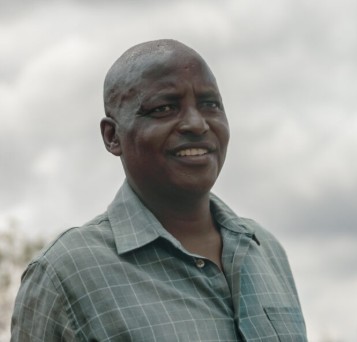
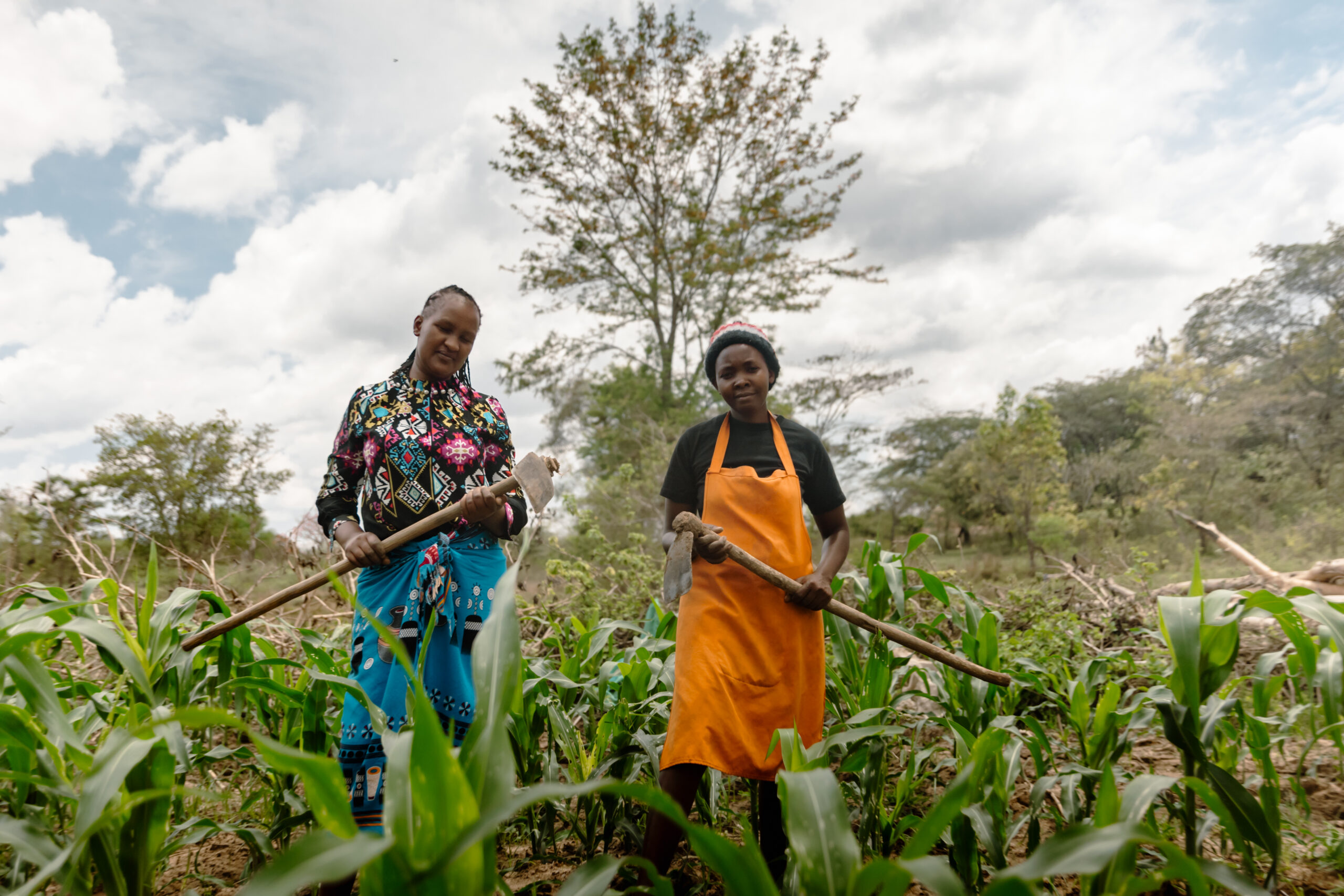
One smallholder farmer who has seen this impact firsthand is Boniface Kyengo, from Makueni County, Kenya. Boniface receives TomorrowNow’s Digital Climate Advisory Service — a service that translates complex weather and climate data into simple, localized SMS messages that guide farmers through the entire growing season, from land preparation to harvest.
“Before, farming felt like guesswork. Now the messages guide me on when to plant and what to expect from the season, and that has made a real difference to my harvest.”
— Boniface Kyengo, Makueni County, Kenya
Boniface clearly describes the shift: from guesswork to guided decision-making. With timely advice on planting windows, rainfall expectations, and crop management, he has been able to plan with greater confidence and reduce the risks that once defined his seasons.
These experiences are supported by growing evidence. In 2025, results from a two-year randomized controlled trial conducted with One Acre Fund found that of the nearly 10k farmers across 5 regions in Kenya (add here) receiving SMS-based weather advisories, achieved average yield gains of 12%, demonstrating that timely, actionable weather information can meaningfully improve food security. Importantly, this impact was delivered at a cost of just $0.56 per farmer, highlighting the scalability and cost-effectiveness of this approach.
TomorrowNow at COP30
2025 also took TomorrowNow onto the global stage. Attending COP30 was an important moment for our team, as it allowed us to bring farmers’ experiences — and field evidence — into global conversations on climate adaptation, resilience, and food systems. These forums matter most when they remain grounded in the realities farmers face every day, and we are committed to keeping that connection strong.
Our services have now reached 5.3 million farmers in Kenya, helping them access timely, trusted, and locally relevant climate information. Behind that number are millions of individual decisions made with greater confidence — decisions that shape harvests, household resilience, and livelihoods.
Taken together, these stories and results point to a clear direction of travel. TomorrowNow exists to ensure that every smallholder farmer — no matter how remote — can access weather and climate intelligence that is practical, actionable, and equitable. Over the long term, our ambition is to reach 100 million farmers, working through governments, national institutions, and delivery partners to scale what we know works — responsibly and sustainably.
Looking Ahead to 2026
As we approach the new year, we are building on this momentum — deepening partnerships, strengthening national systems, and expanding access to agromet intelligence where it is needed most. This work is inherently collaborative, and it is only possible because of the commitment of our partners — including The Gates Foundation, FCDO, Google.org and NOAA — and team.
Thank you for the role you play in this journey, and for your continued collaboration as we work together to build more resilient harvests, stronger livelihoods, and food systems that leave no one behind.
With gratitude,
Wanjeri Mbugua
Chief Executive Officer
TomorrowNow