In Nigeria, the challenge for smallholder farmers is no longer a lack of weather forecasts. With advances in forecasting technology, AI, and meteorological science, more climate data exists than ever before. The challenge now is turning those forecasts into decisions farmers can actually use on their farms.
This is the gap Ronald Diang’a has spent his career working to close.
Raised in a farming community in Kenya and trained as a geologist, Ronald has worked at the intersection of science and agriculture — from engaging directly with smallholder farmers to designing systems that translate climate data into practical decisions. Today, as Regional Program Coordinator at TomorrowNow, he focuses on scaling agro-meteorological (agro-met) intelligence — translating weather data into actionable farming guidance — across Africa, including Kenya, Nigeria, Zambia, and Malawi.
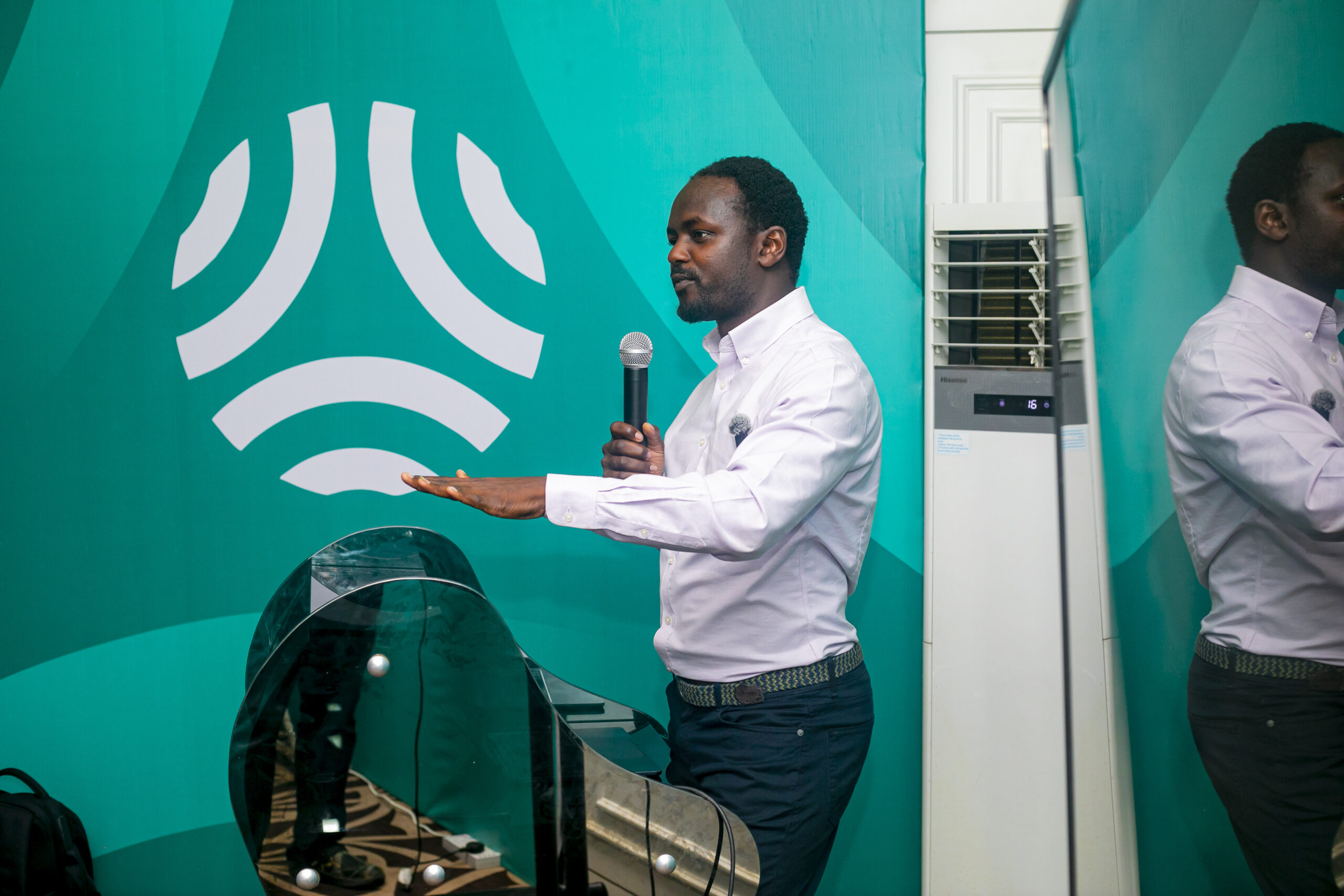
Having recently returned from Nigeria, where he helped coordinate a series of multi-stakeholder workshops with national partners to co-develop Digital Climate Advisory Services (DCAS), we sat down with Ronald to reflect on what it takes to move from forecasts to impact-focused guidance that farmers can trust.
Convened in partnership with the Nigerian Meteorological Agency (NiMet), the five-day workshop brought together crop breeders, agro-meteorologists, extension officers, ICT experts, telecom partners, and government representatives all working toward a shared goal of turning complex weather and climate data into clear, practical advice for farmers.
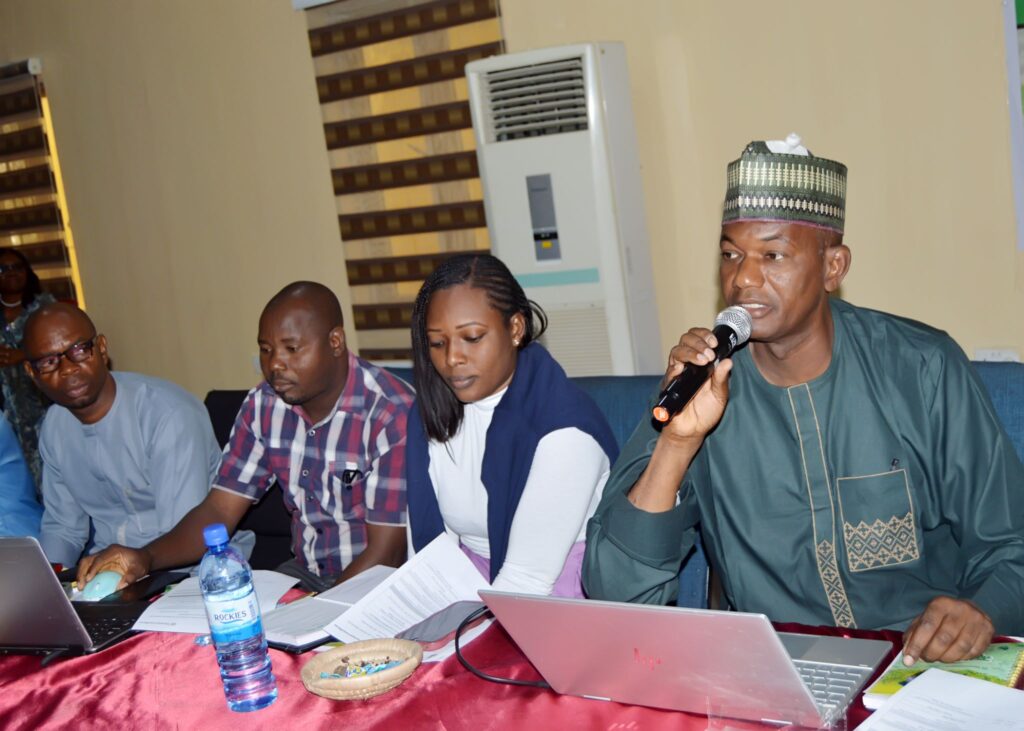
Facilitated by TomorrowNow, the sessions focused on Nigeria’s most important crops — maize, cassava, and rice — and led to the development of crop-specific decision trees (see chart below) that link forecasts to real agronomic decisions, from planting windows to fertilizer timing and risk management. Advisories were designed not only to be scientifically robust, but also accessible (translated into Hausa, Igbo, and Yoruba) and aligned with emerging SMS delivery systems to ensure they can reach farmers directly, at scale.
This work marks an important step in TomorrowNow’s expansion into Nigeria — moving beyond forecasts toward systems that embed climate intelligence into national institutions, and ultimately into the day-to-day decisions farmers make in their fields.
When the Seasons No Longer Follow the Rules
In Nigeria, where agriculture is largely rain-fed, changes in rainfall patterns and rising temperatures are already affecting crop productivity. Studies show that variability in rainfall and temperature have up to a 33% impact on maize yields in some regions, highlighting how sensitive production is to shifting climate conditions.
On the ground in Niger, Kaduna, Taraba, Ogun, Cross River and Ebonyi States, these changes are already reshaping how farmers make decisions.
“Farmers are experiencing different challenges on the farm, like erratic seasons, poor rainfall distribution across the season, or just generally, the knowledge gap around when is the right time to plant.”
Ronald Diang’a, Regional Program Coordinator, TomorrowNow
For decades, farmers have relied on deep experience and generational, locally grounded knowledge to guide decisions about when the rains would come and how to plan their seasons. But as climate patterns change, that reliability is breaking down.
“Some of those dates are shifting, and you find that when farmers still use their indigenous knowledge of planting, when they plant, the rains, unfortunately, are not sufficient to even support germination.”
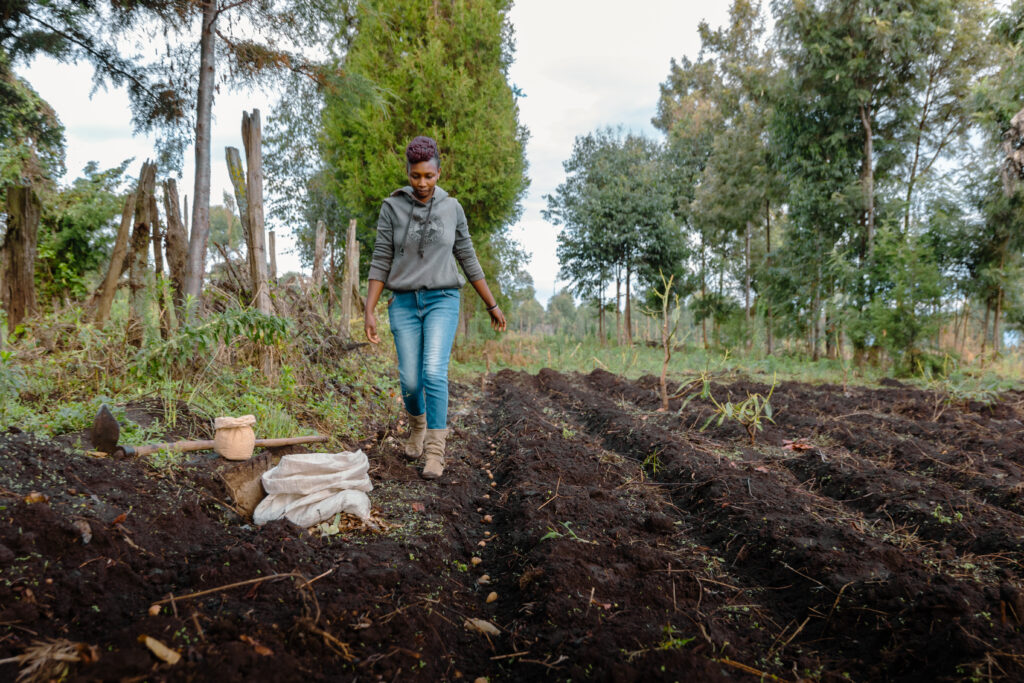
False starts to the rainy season, prolonged dry spells, and uneven rainfall distribution are no longer exceptions — they are becoming the norm. And with them comes increased uncertainty, risk, and potential loss of crops and income.
A Forecast Alone Doesn’t Protect a Harvest
Weather forecasts have improved significantly. But for smallholder farmers, access to a forecast is not enough. For decades, climate services have focused on improving forecasts. But for farmers, accuracy without usability does not change outcomes. A forecast only becomes valuable when it helps a farmer decide what to do differently as a result.
“A forecast alone has tremendous value, but the best opportunity to leverage it is if we can translate that forecast into an actual decision or advisory that a farmer can act on on the farm.”
The challenge is that, too often, climate services still operate in silos: improving forecasts without connecting them to farmer realities or building systems that are not embedded within the institutions farmers already rely on.
This is where advisory systems become fundamentally different from forecasts alone. A standard forecast might tell a farmer there is a 30% chance of rain. But that still leaves the farmer with the hardest question: what should I actually do differently?
Through partnerships with national institutions and delivery partners, weather and climate data can instead be translated into practical advisories connected to real farming decisions. For example, one advisory shared with maize farmers warned: “Little or no rain is expected. Maize plants may wilt. Irrate if possible or cover soil with dry grass. Remove weeds to reduce competition.”
The difference is that the information is tied directly to action — helping farmers understand what the forecast means for their crop, in their field, at that moment in the season.
From Climate Data to Farmer Decisions
In Nigeria, we’re working alongside the Nigerian Meteorological Agency (NiMet), the Federal Ministry of Agriculture, and partners, including Tomorrow.io, to operationalize Digital Climate Advisory Services (DCAS) — translating weather data into practical, localized guidance for farmers.
DCAS combines weather forecasting with agronomic knowledge to turn climate data into practical farming decisions tailored to individual farmers. Think of it as three things working together:
- A weather intelligence layer: gathering and processing forecast data from multiple sources to build an accurate picture of current and near-future conditions.
- An agronomic knowledge layer: encoding expert understanding of how different crops behave at different stages of growth, and what weather conditions threaten or support them.
- A communication layer: packaging advice clearly and delivering it through widely accessible channels, like SMS.
There is real value when you combine agronomic and meteorological information. We tailor it to the farmer’s actual situation and decisions on the ground.
Ronald Diang’a, Regional Program Coordinator, TomorrowNow
By combining weather data with agronomic guidance, these advisories turn uncertainty into action. They help farmers decide when to plant, when to wait, how to manage risk, and how to make the most of favorable conditions — all within the narrow windows that define a successful season.
That shift — from simply describing weather conditions to recommending practical action — is what makes agro-met intelligence fundamentally different from traditional climate services.
In practice, that advice can be highly specific. One rice farmer might receive a message warning of elevated moisture levels and an increased risk of fungal disease, along with guidance to monitor seedlings and apply fungicide if symptoms appear.
Building Systems That Deliver at Scale
A defining feature of TomorrowNow’s work in Nigeria is its focus on systems-level integration. Ronald shares, “For TomorrowNow to scale, it needs to work with partners who have the mandate and have the framework and infrastructure to reach farmers.” For Ronald, building climate services that actually work at scale starts with partnerships: institutions like NiMet, telecom providers like MTN, ministries of agriculture, and extension systems that already have relationships with farmers and the infrastructure to reach them consistently.
Rather than building parallel tools or short-term pilot projects, TomorrowNow’s approach is to strengthen the systems that already reach farmers — embedding agro-met intelligence within national institutions and trusted delivery networks that can sustain and scale the service over time.
In Nigeria, this looks like:
- Aligning with NiMet’s seasonal rainfall outlooks
- Working with the Federal Department of Extension Services to embed advisories into existing national extension systems
This is what enables not just reach, but long-term sustainability. “It’s governments who have the scale,” Ronald adds, “and from a sustainability point these programs TomorrowNow can be carried along by these national entities without always needing to rely on TomorrowNow.”
In Abuja this March, that took the form of developing decision trees — structured pathways that link forecasts to real agronomic decisions, from when to plant to how to manage dry spell risk or time fertilizer application.
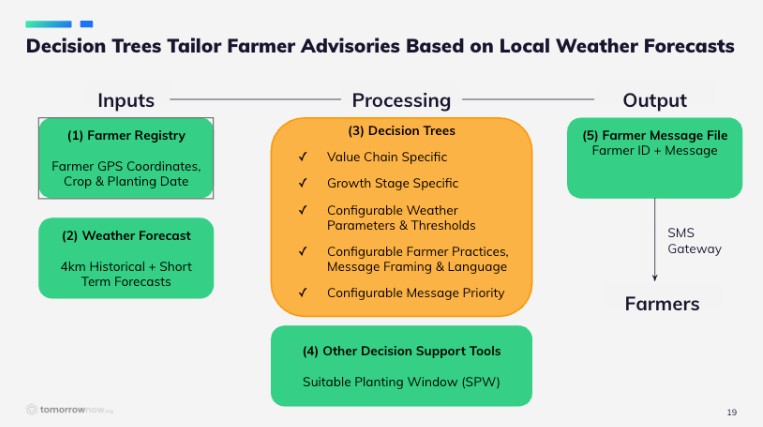
Behind this relatively simple structure lies a way to replicate expert advice at scale. As Ronald explains, “It’s a sophisticated model, but it’s called a decision tree. It’s essentially a business rule that says: if a farmer is in Ogun State, at this location, growing maize, and this is the forecast — if I, as a Nigerian extension worker, were visiting her farm, I would advise her to do X, Y, Z based on that information.”
“What DCAS and TomorrowNow are doing,” Ronald continues, “is putting many ‘Ronalds’ in the hands of farmers — helping translate complex climate data into advice they can actually use.”
Instead of receiving a generic forecast, farmers receive tailored, time-sensitive advice that reflects their location, crop, and current weather conditions. This is where agro-meteorological intelligence becomes truly valuable. By coupling weather forecasts with practical, crop-specific actions, these advisories enable farmers to respond to changing conditions with greater confidence, reduce risk, and make more informed choices throughout the season.
“What we are developing is not a ‘TomorrowNow service.' We are contextualizing it and localizing it for Nigeria. There’s no better way to work with local expertise, who have the local context, but also have the local networks."
Ronald Diang’a, Regional Program Coordinator, TomorrowNow
A Different Model for Climate Services
There is no universal model for climate services — and trying to impose one is part of the reason so many approaches struggle to scale. Rather than exporting a fixed solution, it builds a consistent framework that is adapted to each context — shaped by local conditions, institutions, and farming systems.
In practice, that means combining climate data, agronomic insights, and delivery through trusted channels — while ensuring that the way those elements come together is always locally grounded. This includes:
- Building from local data and ground observations
- Working with national institutions to design advisory systems that fit within existing structures
- Continuously validating and improving the system based on real-time farmer feedback
Ronald is also cautious about how AI is discussed in agriculture. “Most people think AI itself is the solution,” he says. “But AI is only as good as the data and systems behind it — and who it is designed to serve.”
For TomorrowNow, that means keeping farmers at the center: continuously collecting feedback, refining advisories, and improving the system based on how farmers actually use the information in the real world.
Why Nigeria Is a Critical Frontier
With approximately 38 million smallholder farmers in Nigeria — around 88% of the country’ farming population — the stakes are high. But this is not just about scale. Nigeria’s agricultural system brings a level of complexity that few other markets match: diverse cropping systems, expanding interest in crops like rice, and growing exploration of areas such as livestock advisory services.
As Ronald explains, “Nigeria is becoming very strategic because of the uniqueness of how its agricultural opportunities present themselves. It’s here that, for the first time, digital climate advisory services are exploring areas like rice farming — which has not been done before.” Just as important is the institutional momentum. Strong engagement from partners reflects a shared ambition to move from concept to implementation — and to embed these services within national systems from the outset.
Nigeria is also becoming an important test case for sustainability. Unlike many climate services that rely entirely on short-term donor funding, partners are already exploring what long-term delivery could look like — including whether farmers may eventually choose to pay for services that consistently improve outcomes. In contrast to models that rely primarily on grant funding, there is increasing interest in what long-term, viable delivery could look like — including whether farmers themselves may be willing to pay for services that consistently improve outcomes.
What happens in Nigeria will help answer a much bigger question for climate adaptation across Africa: not whether climate services can work in theory, but whether they can become trusted, scalable systems that farmers rely on season after season.