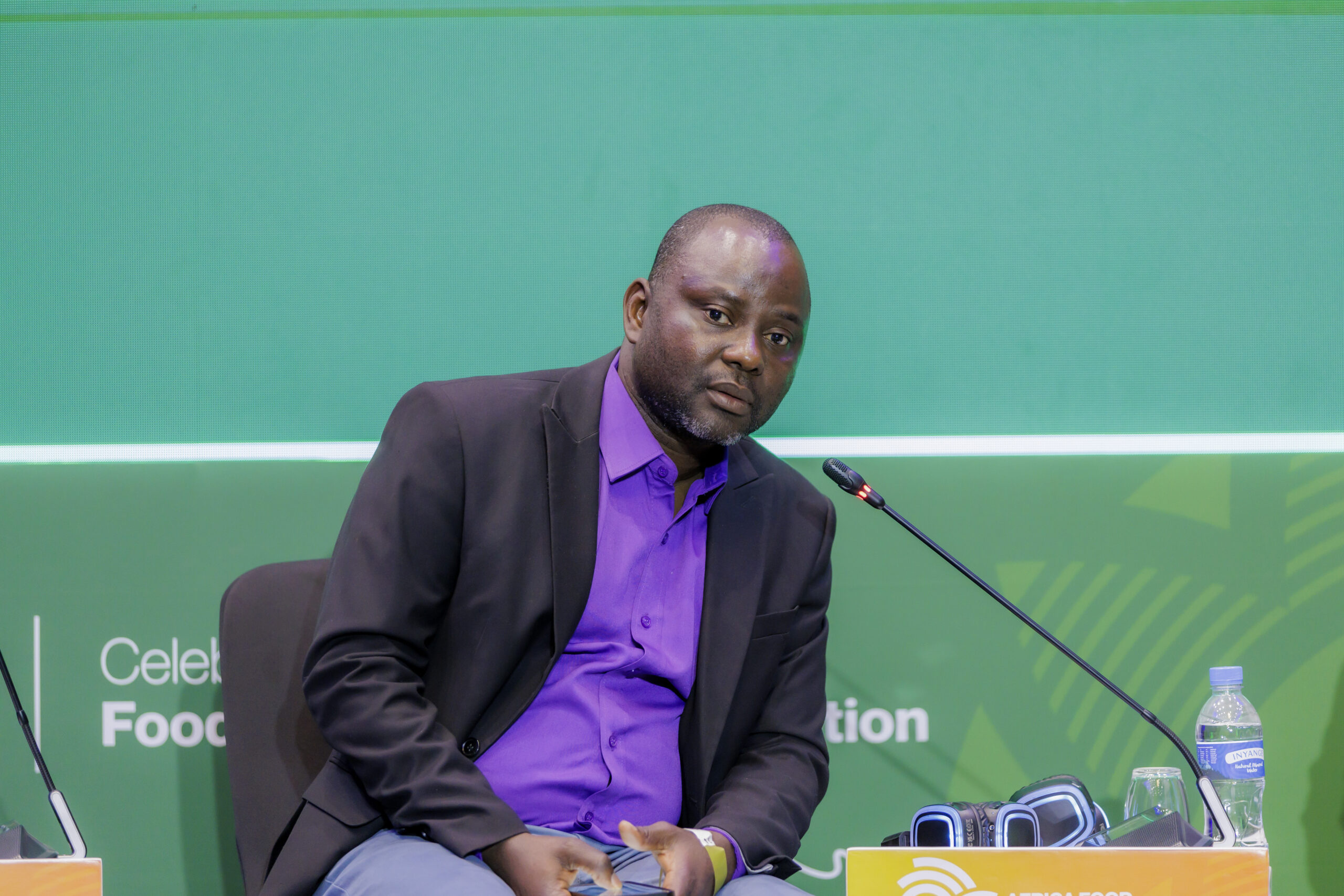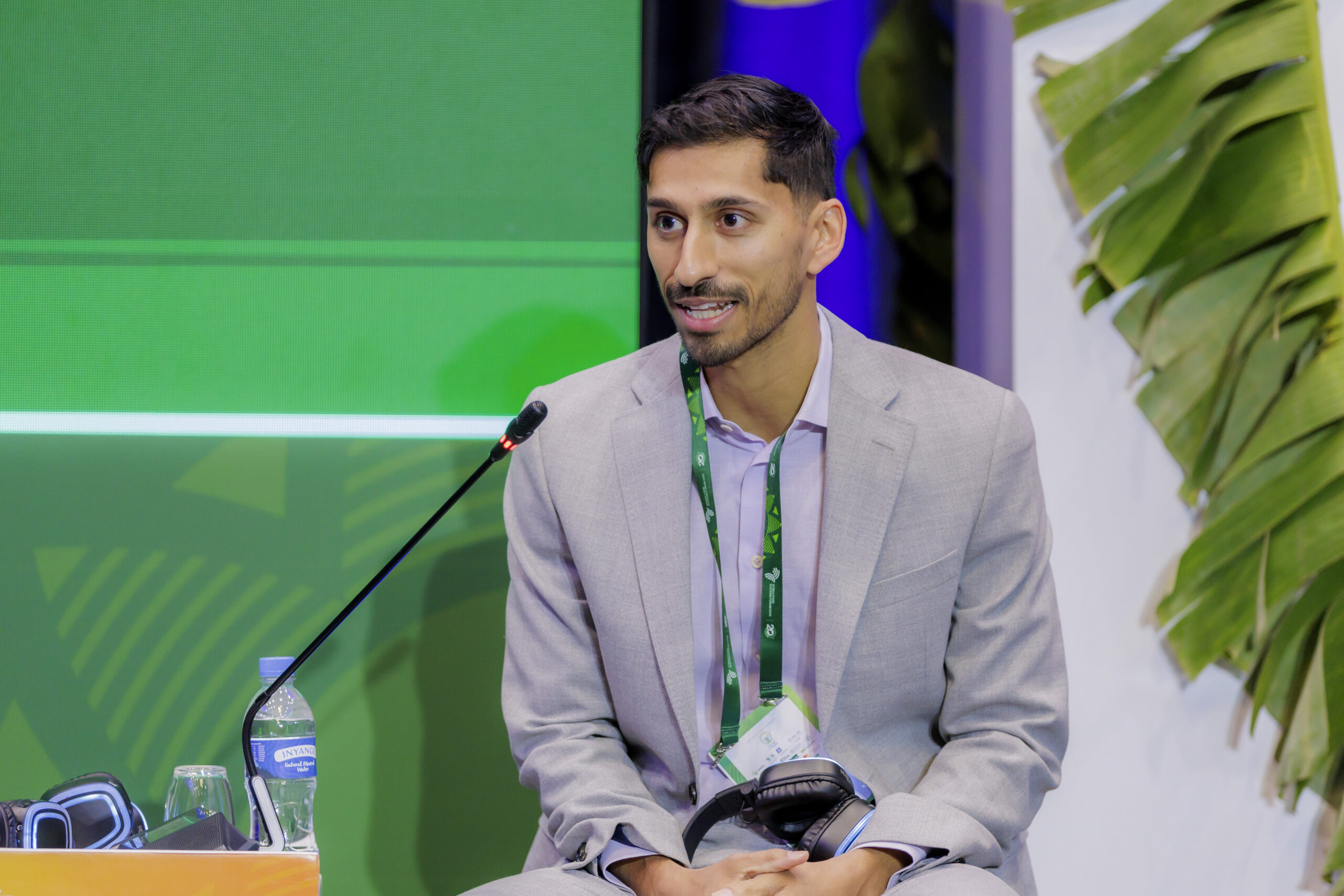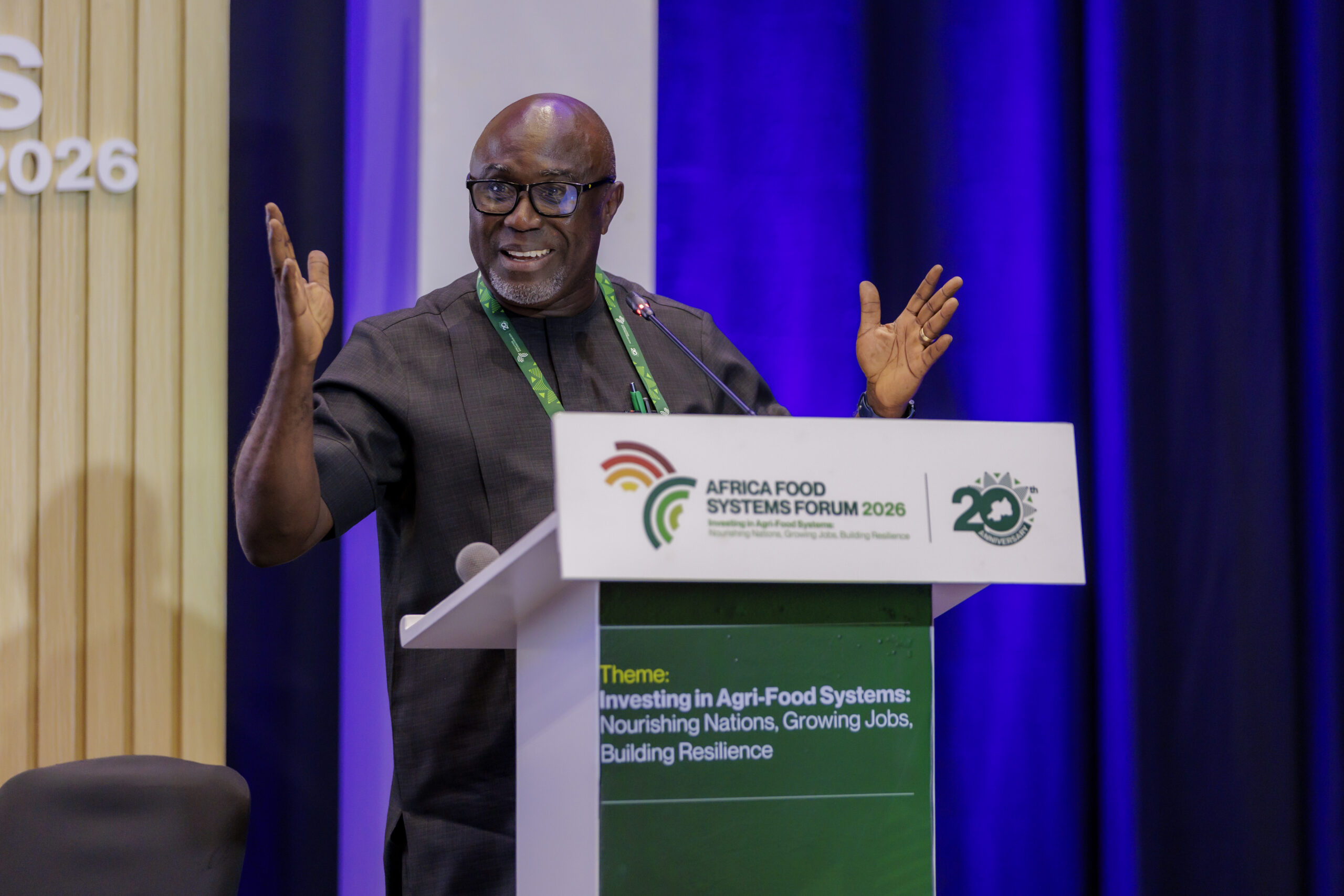
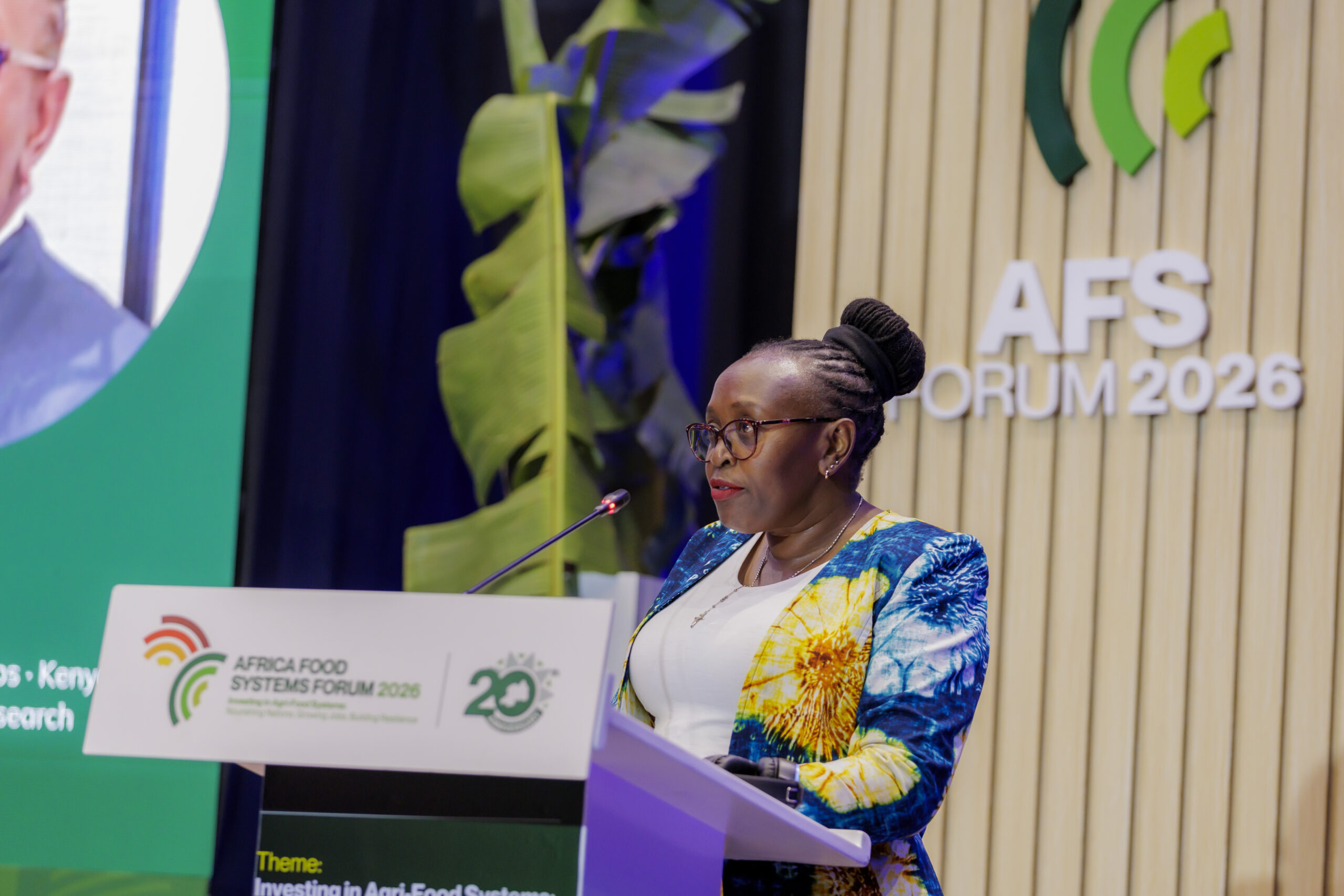
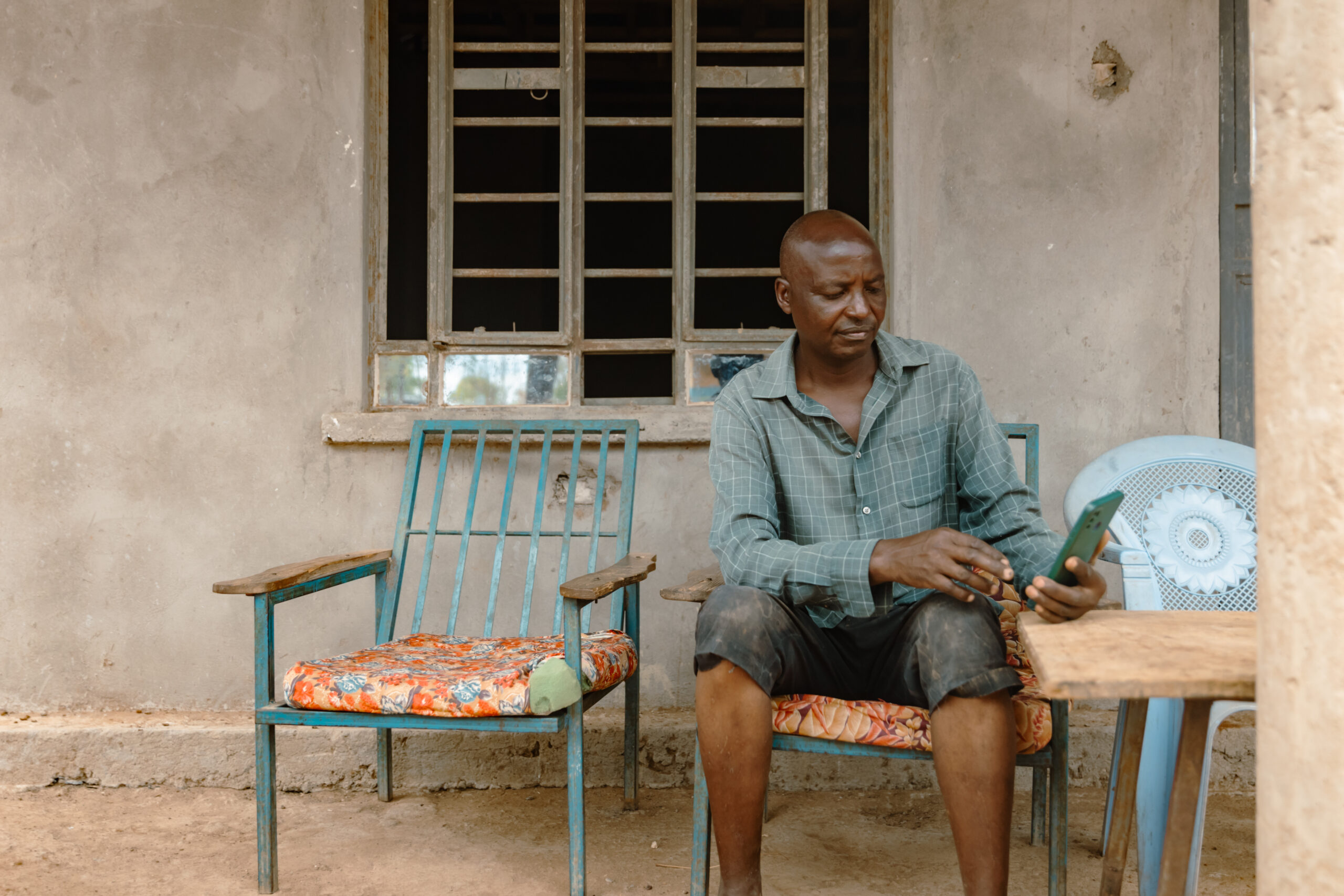
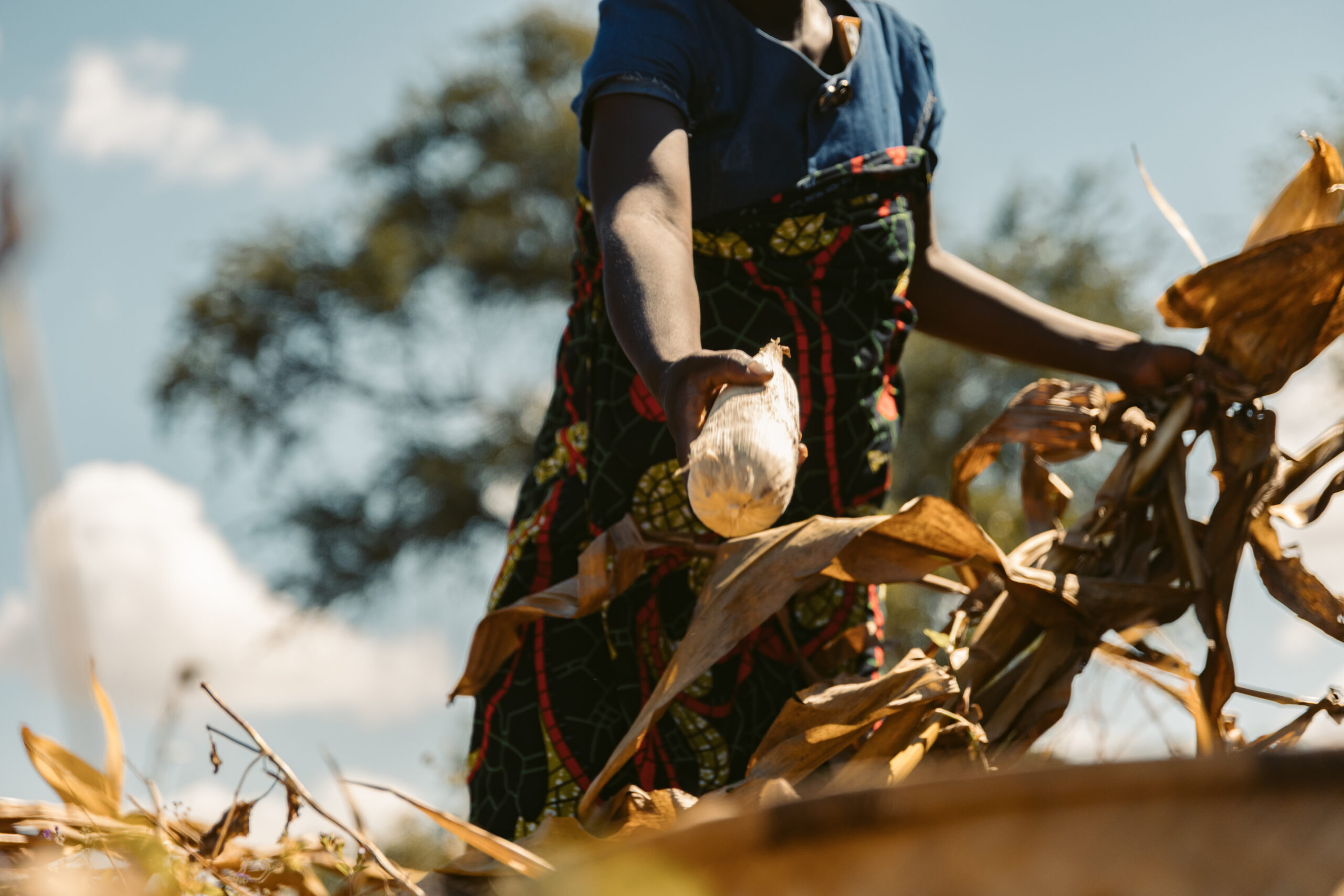
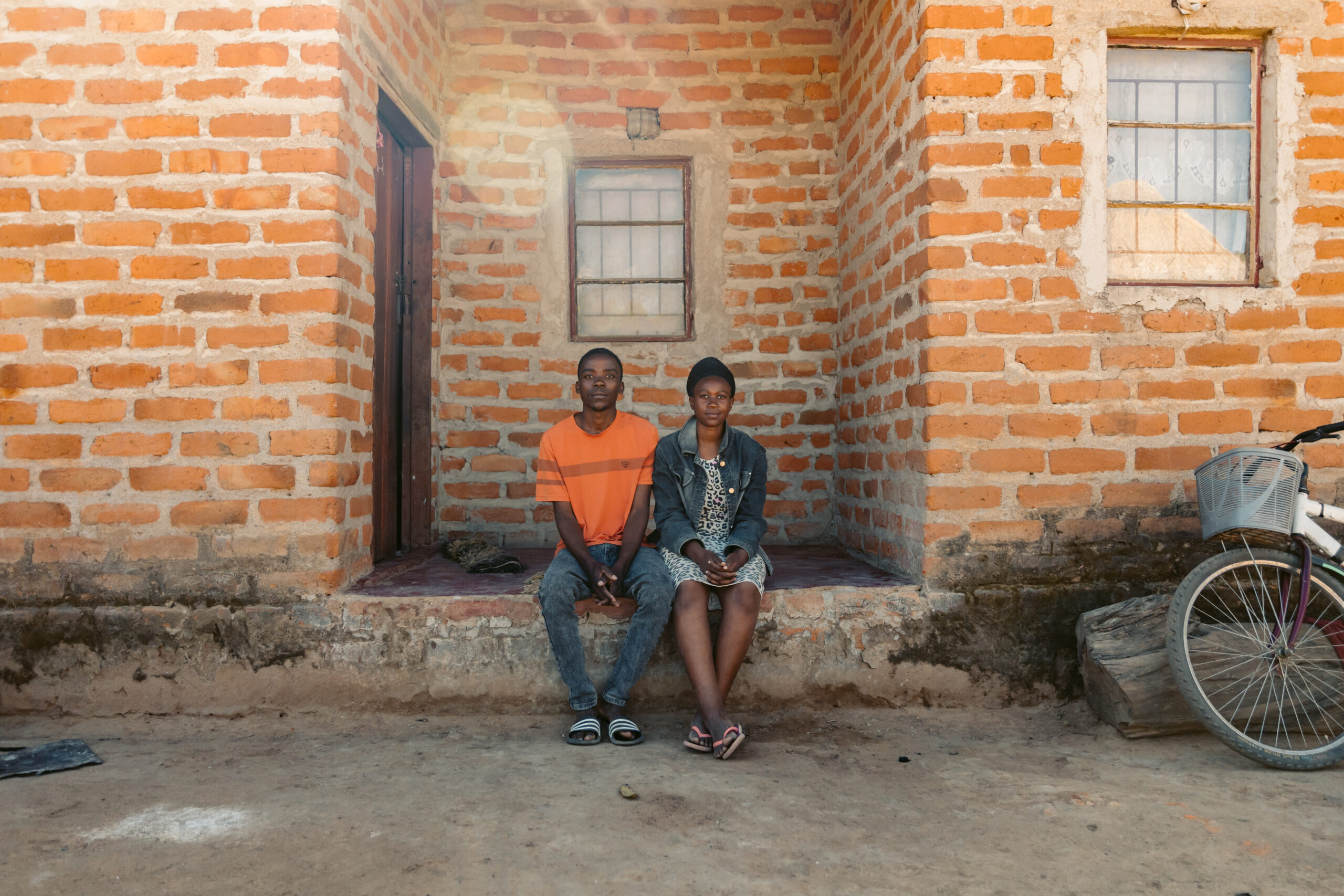
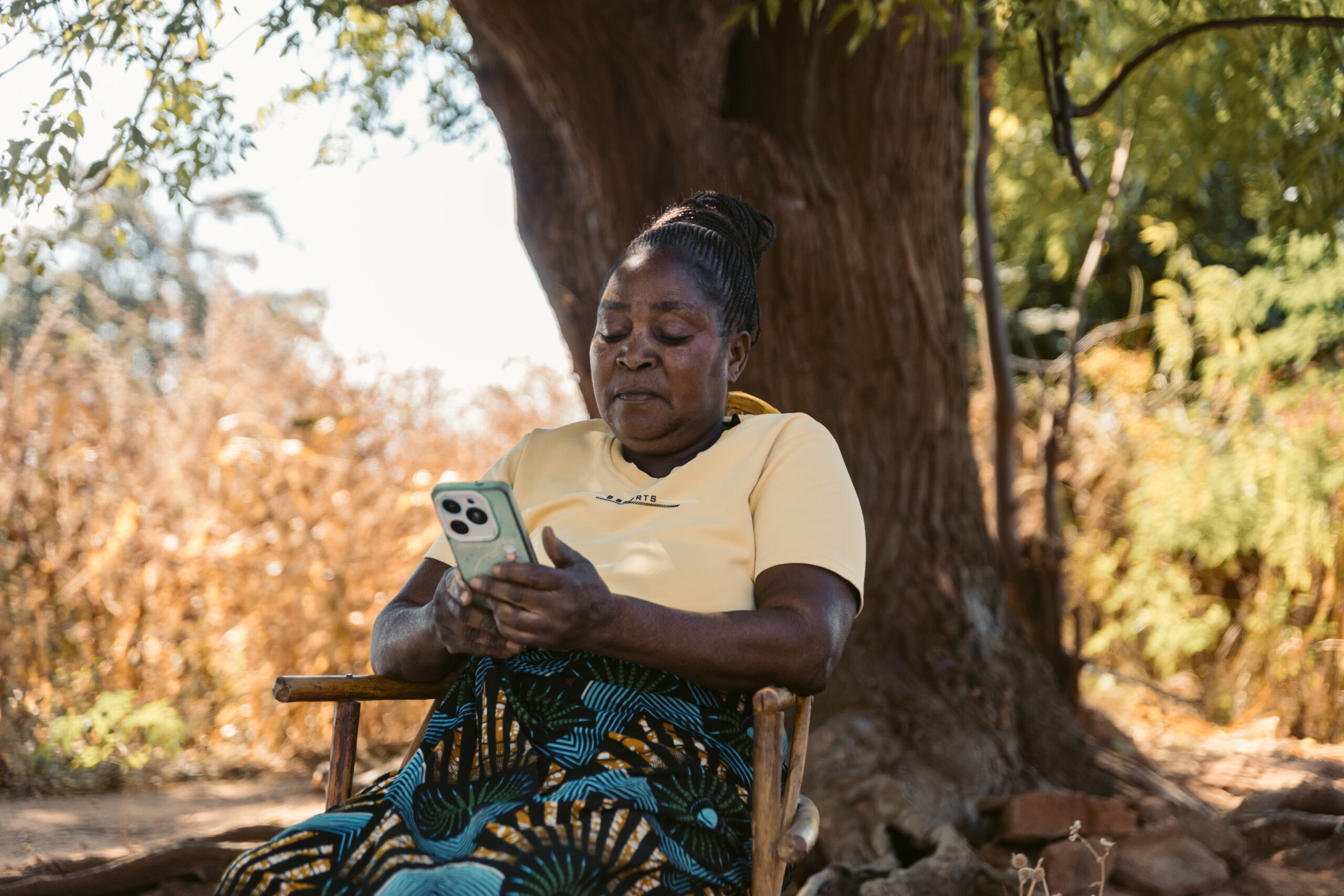

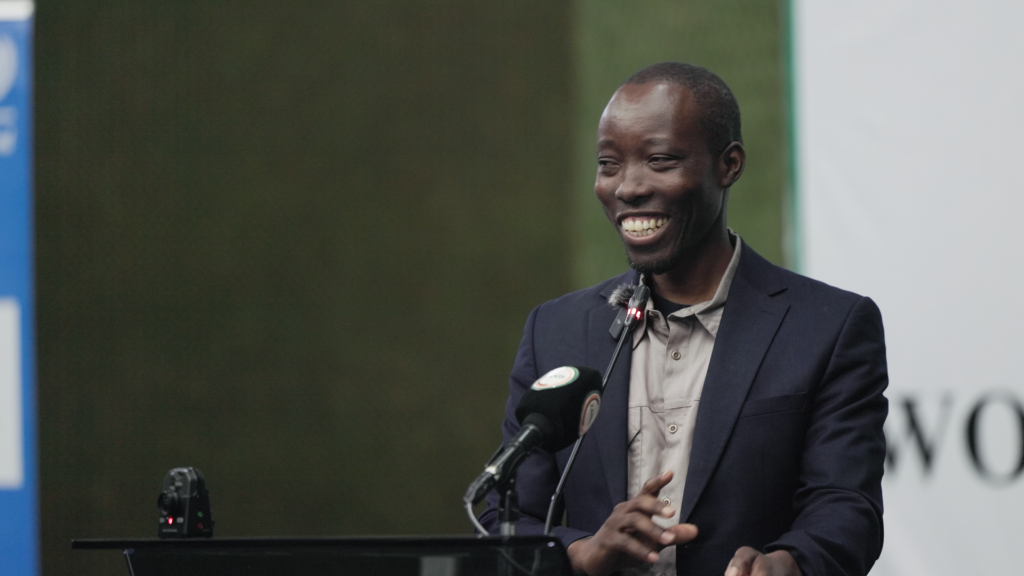
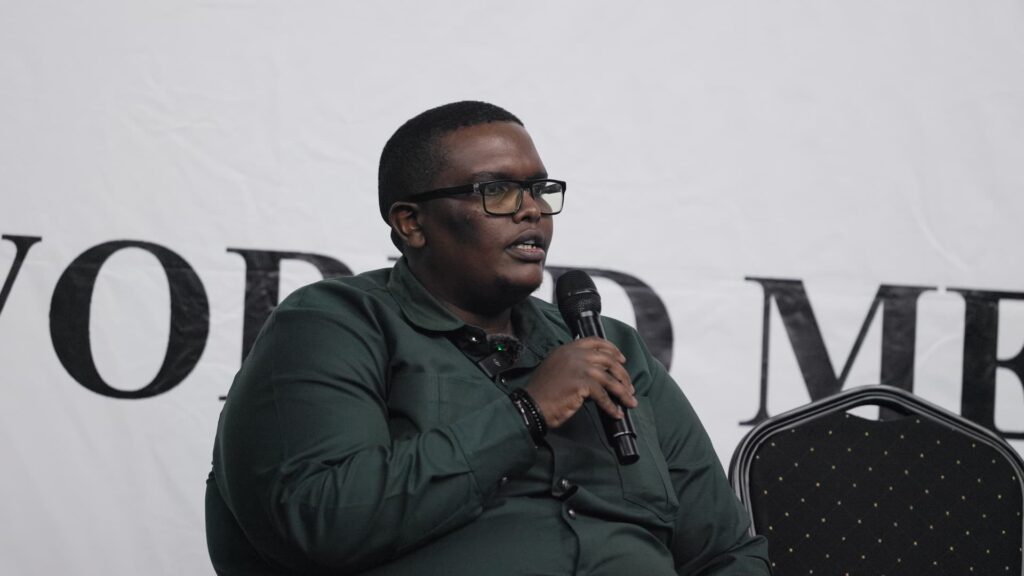
At the recent Africa Food Systems Forum in Kigali, TomorrowNow brought together government partners from Kenya, Zambia, Malawi and Nigeria alongside Regen Organics, AGRA, and the Gates Foundation, to discuss what it takes to build Digital Climate Advisory Services (DCAS) that governments can own, run, and sustain.
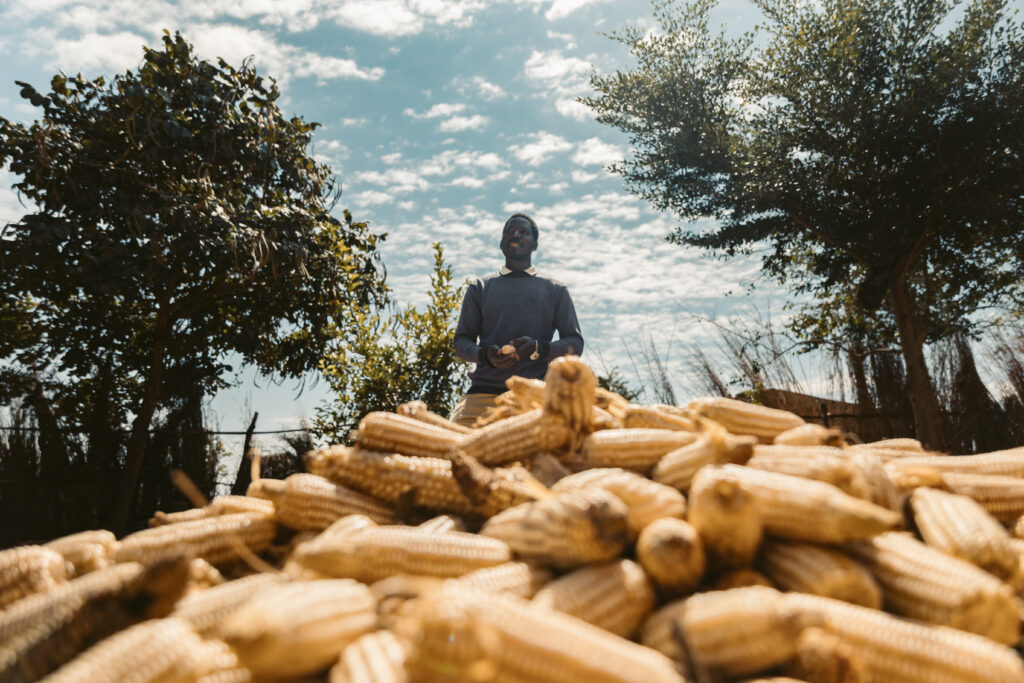
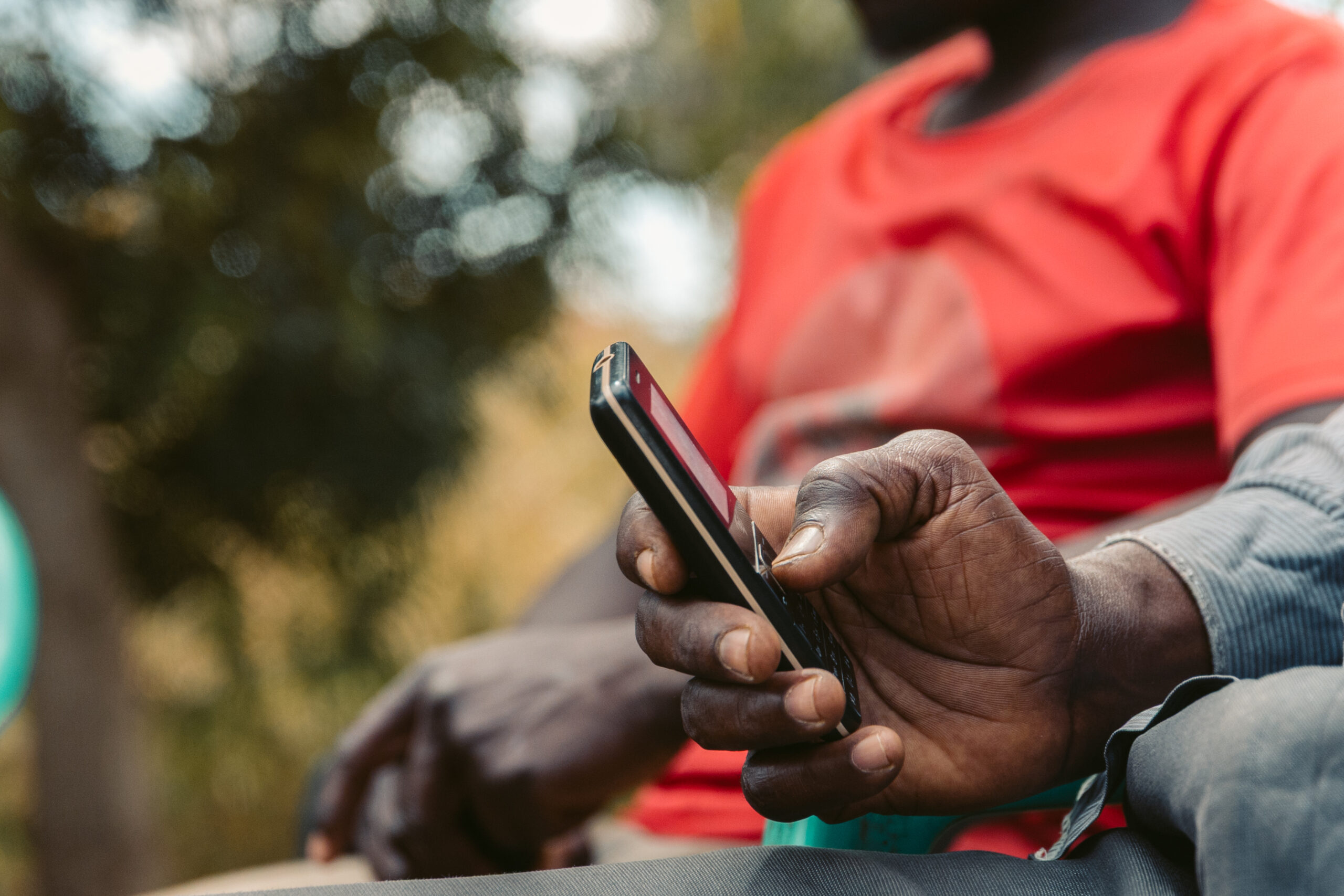
DCAS deliver timely, localized, weather and climate information combined with expert agronomic advice directly to smallholder farmers through digital channels like SMS texts and Interactive Voice Response (voice messages). This agro-met intelligence helps farmers make better decisions on things like planting, inputs and harvest timing, building their resilience to an increasingly unpredictable climate.
For the last few years, the focus has been on proving that the model works. The evidence is now strong enough for us to start asking a different question: how does DCAS achieve real, sustained, scale?


Where we are now: DCAS across 4 countries
In Kenya, TomorrowNow has supported the Kenyan Agricultural and Livestock Research Organization (KALRO) and Kenyan Meteorological Department (KMD) to provide DCAS to smallholder farmers for over four years, reaching more than 5.6 million of them.
The meteorological agencies and agricultural ministries of Zambia, Malawi, and Nigeria are now developing and scaling their own services with TomorrowNow’s support, with the goal of reaching millions more. It’s exciting to see the focus shifting from individual pilots and tools to embedding DCAS into the national systems needed to reach more farmers reliably – and for the long term.
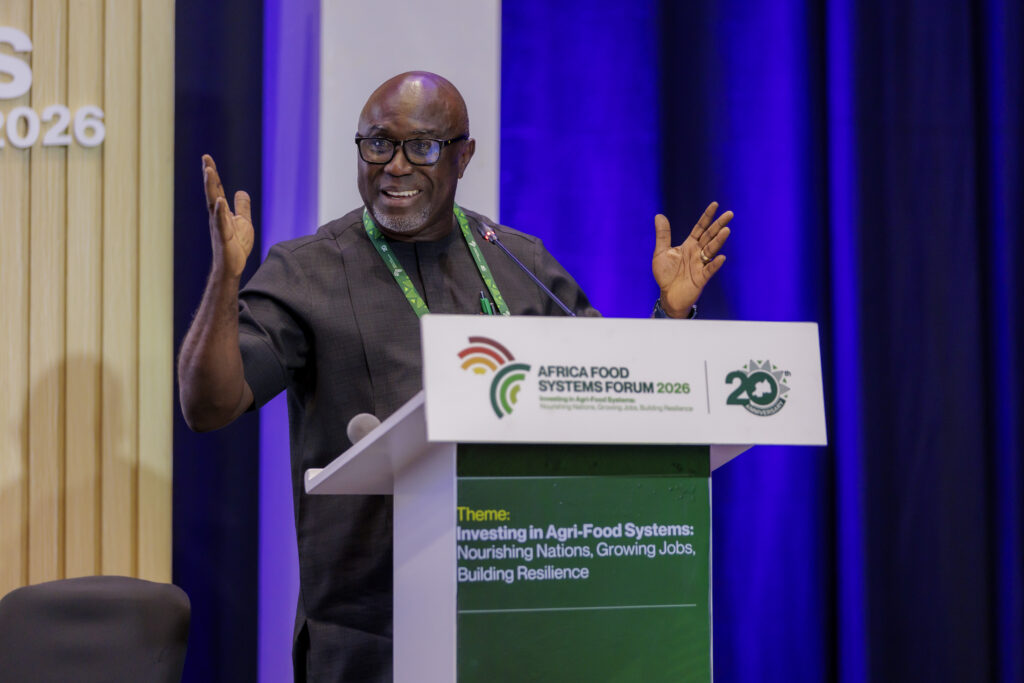
In Nigeria, Dr Samaila Taiye Tehinse , Director of the Federal Department of Agricultural Extension Services who joined us in Kigali pointed clearly to why this shift matters:
"DCAS is an innovation I believe will transform Nigeria's agriculture. Rainfall can no longer be predicted by assumption; you need digital sminformation. The farmer has to be guided with clear, precise information on how to plant, when to plant and when to expect rain. A well-established digital platform like this removes many of the challenges our farmers face."
Dr Samaila Taiye Tehinse , Director of the Federal Department of Agricultural Extension Services, Nigeria


“The question is not whether DCAS works. It works. The real question is: how do we move from fragmented pilots and standalone digital tools to nationally owned, interoperable, and sustainably financed digital public infrastructure for agriculture?”
Dr Forster Boateng, Managing Director of C4Impact Advisory Group
National ownership starts with collaboration
In Zambia, DCAS launched in three provinces in late 2025, with more than six ministries involved. As Dr. Edson Nkonde, Director of the Zambia Meteorological Department shared live in Kigali:
“We have developed what we call the National Framework for Climate Services, and one of the pillars is co-production of DCAS, so we’re working with all the sector experts.”
Edson Nkonde, Director of the Zambia Meteorological Department (ZMD)
Co-production turns a weather forecast into advice a farmer can use. It also changes who carries the burden of interpreting climate information:
“In the past, our focus at ZMD was just to generate the best forecast that we could, issue it, and give the burden to the farmer to now interpret that forecast,” Nkonde explained.
Today, collaboration between Zambia’s meteorological and agricultural institutions means the service can go further. Rather than simply telling a farmer that rain is coming, it can explain what that forecast means for the decision in front of them.
Kenya shows what this approach can become as it matures. KALRO and KMD have operated DCAS as national infrastructure for four years.
“No single institution can be able to deliver an effective national service, like DCAS, alone.”
Simon Mulwa, Director of ICT and Digital Agriculture, KALRO
A national service depends on different institutions doing what each does best: meteorological agencies producing climate information, agricultural experts turning it into practical guidance, and established networks helping that guidance reach farmers.
Simon Mulwa also argued for a more demanding definition of scale in Kigali:
“Scale should not only be measured by the number of messages that are sent. Anyone can send messages, but the real measure of success is where the farmers understand and trust and apply that advice.”
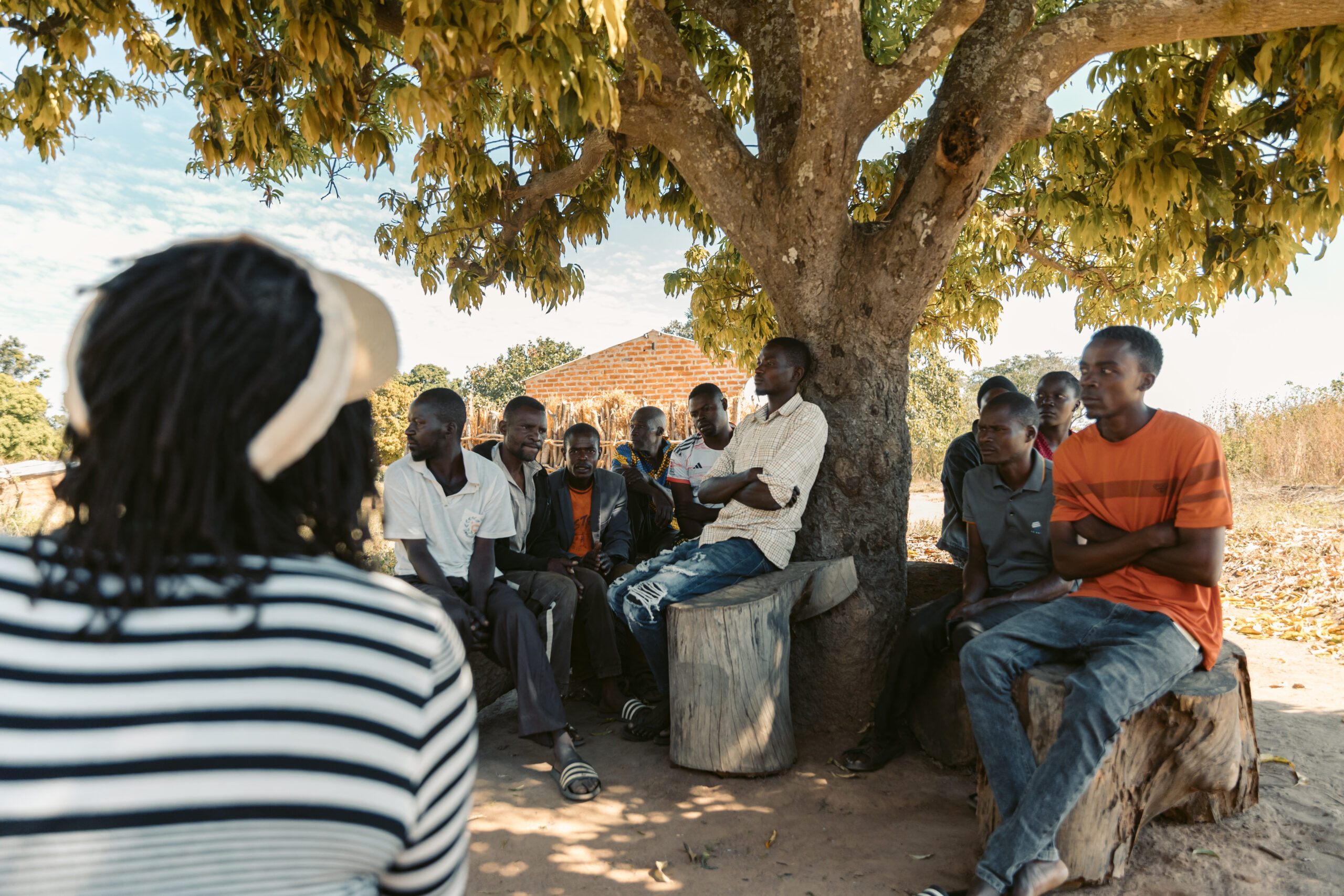
These testimonials from government partners tell us about reach, but testimonials from farmers tell us whether the service is actually working.
National ownership has to show up in the budget
Collaboration can build an effective service. Sustaining it requires a place in national plans and budgets.
Dr Hamilton Kamwana, Director of Planning in Malawi’s Ministry of Natural Resources and Climate Change, argued not simply that DCAS needs funding. It was that climate information protects the much larger investments governments are already making in agriculture and food security.
“The investment going into agriculture is huge, but climate shocks erode the returns. Institutionalising DCAS is how you protect that investment. Weigh the cost of the food-security support you provide after a climate shock against the smaller investment in DCAS that could have prevented it. This is why DCAS matters for national planning, not just for the season.”
Seen in those terms, DCAS was presented as a required part of managing agricultural risk, not an optional one.
Listen to Dr. Kamwana’s thoughts in the video below.
Scaling without starting again
The case for expanding DCAS becomes stronger when countries can build on what already exists. Shared infrastructure, tested methods, and peer learning can reduce the time and cost involved in establishing a national service. Malawi and Zambia have both recently sent delegations to Kenya to learn directly from KALRO’s experience and apply those lessons at home.
For governments considering DCAS, this changes the starting point. A practical blueprint and a community of peers already exist. New adopters can build on years of experience while adapting the service to their own institutions, agricultural systems, and farmers.
For funders, the opportunity is not simply to finance another standalone tool. It is to support the shared foundations that make national adoption possible – and to help working services move from grant-funded programmes into government-owned systems.
The discussion in Kigali pointed towards a practical priority: helping governments own, finance, and sustain approaches that have already shown their value.
Dr Samaila Taiye Tehinse, Director of the Federal Department of Agricultural Extension Services in Nigeria also shared what a nationally owned DCAS could mean for his country:
"With DCAS, we can reach new levels of productivity, and farmers will benefit. As a director, I will be proud that this was achieved while I was in the seat. We have to embrace DCAS, for a better tomorrow and for more secure agricultural production across all our villages. That, I believe, we can achieve."
Dr Samaila Taiye Tehinse, Director of the Federal Department of Agricultural Extension Services, Nigeria
The next phase for TomorrowNow will depend on governments embedding DCAS in their institutions and budgets, funders backing shared infrastructure and long-term ownership, and partners judging success by whether farmers can make better decisions.
For more information on our Digital Climate Advisory Services contact by clicking the button below: