How a new AI-powered planting advisory is helping Kenyan farmers make one of the most consequential decisions of their season with confidence.
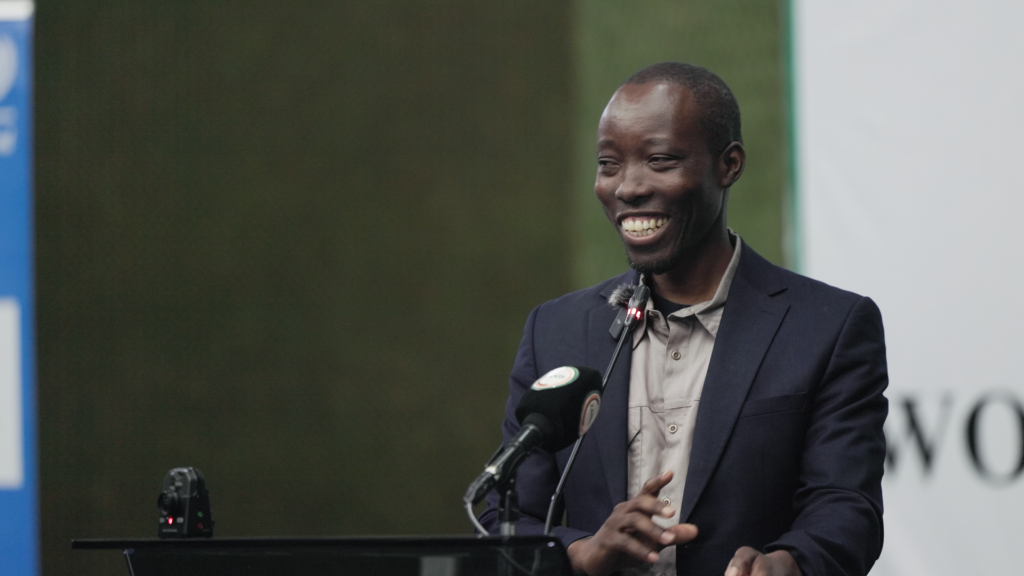
Even the most accurate weather forecast can only take a Zambian smallholder farmer so far when it comes to making clear decisions in the field. Edson Nkonde, Director of the Zambia Meteorological Department (ZMD) and the country’s Permanent Representative to the World Meteorological Organization, speaks directly about that gap.
"On its own, our weather forecast wasn't making enough of an impact. We'd generate it, send it, and the farmer often couldn't fully understand it in relation to their farming activities."
Edson Nkonde, Director of the Zambia Meteorological Department (ZMD)
To help address this gap, in late 2025 Zambia began building a national Digital Climate Advisory Service (DCAS), owned and run by ZMD and the Ministry of Agriculture, with support from TomorrowNow. The service pairs the meteorological department’s forecasting with the agriculture department’s agronomic knowledge, so a farmer receives one joined-up, actionable message rather than a forecast they have to interpret alone.
ZMD and the Ministry of Agriculture have worked together for many years, and now DCAS is helping the two institutions strengthen that partnership and work even more closely together.
“We have developed what we call the National Framework for Climate Services, and one of the pillars in that is co-production of services. “Co-production between the organisation’s has now become a formal pillar of Zambia’s National Framework for Climate Services,” says Nkonde.
"We have long worked together, but DCAS has enhanced our collaboration and the co-production of information that can transform livelihoods, support resilience, and drive farmer productivity."
Edson Nkonde, Director of the Zambia Meteorological Department (ZMD)
A service the Zambian government owns and runs
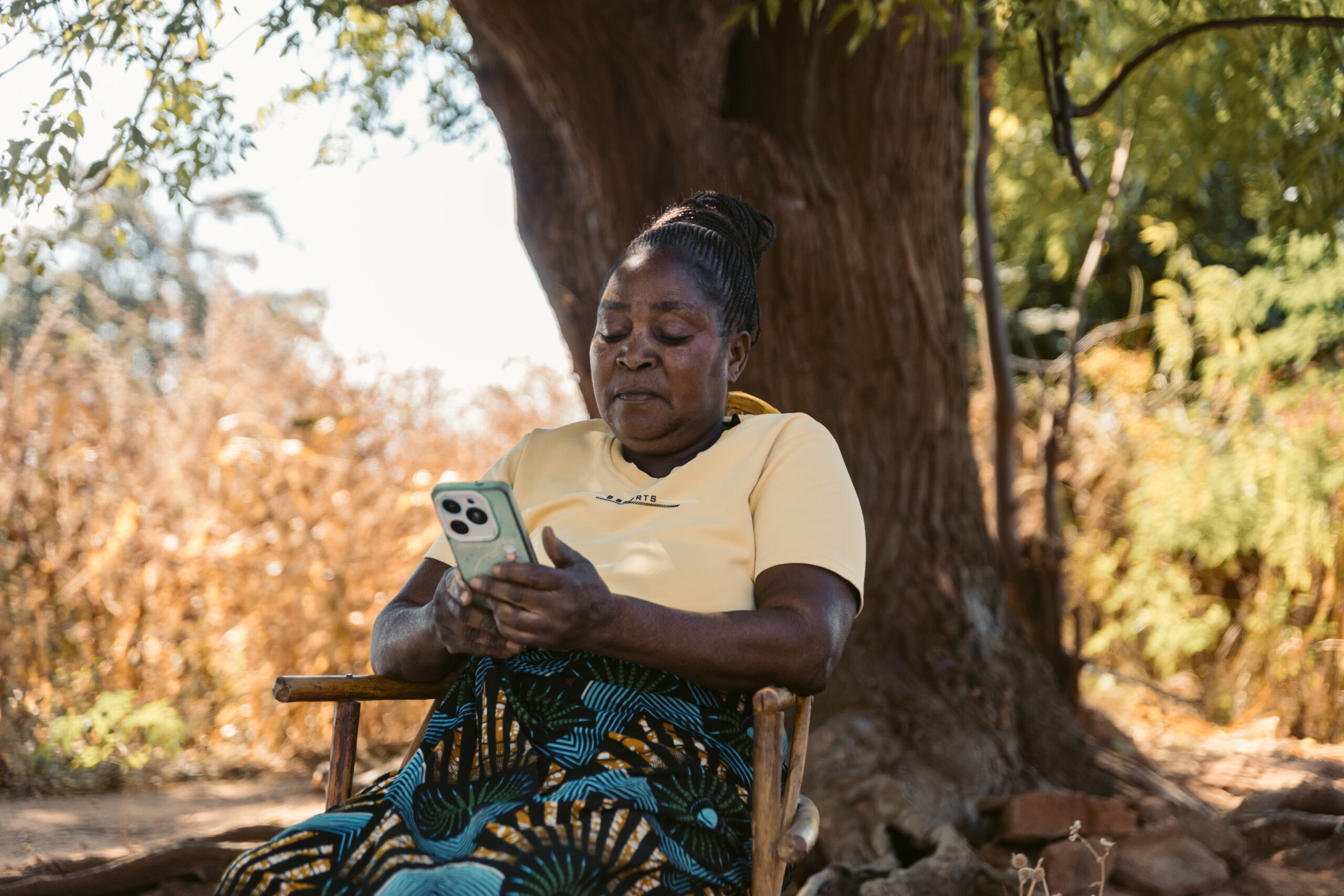
DCAS combines next-generation weather intelligence and data with expert agronomic knowledge, turning a weather forecast into simple, clear, localized agro-met advisories that guide a farmer through the season, sent straight to their phone via SMS.
Three institutions are building the service together. ZMD produces the localized forecasts. TomorrowNow brings the next-generation technology and data that helps turn that weather intelligence into advice a farmer can act on immediately. And the Ministry of Agriculture’s agronomists localize that advice to the Zambian context, with their extension officers supporting the delivery of that advice to farmers, who trust it because it comes through the government service they already rely on.
"This launch of the digital climate advisory service in Zambia which is being done by the Ministry of the Green Economy under the Meteorological Department and the Ministry of Agriculture under the Department of Agriculture with partnership with TomorrowNow… is a very great moment for Zambia."
James Mwale, Acting Provincial Agricultural Coordinator for Lusaka
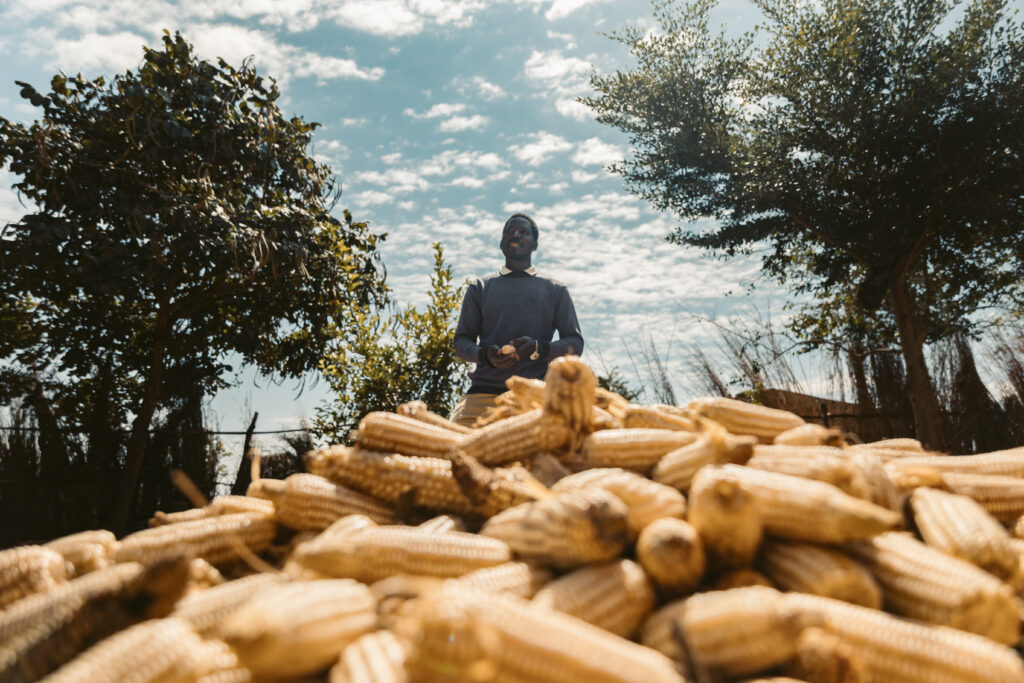
"Last season we reached about 35,000 farmers, with advisories co-produced in seven local languages. This coming season we're going from 35,000 farmers to a million, from maize alone to three more crops, and into livestock."
Edson Nkonde, Director of the Zambia Meteorological Department (ZMD)
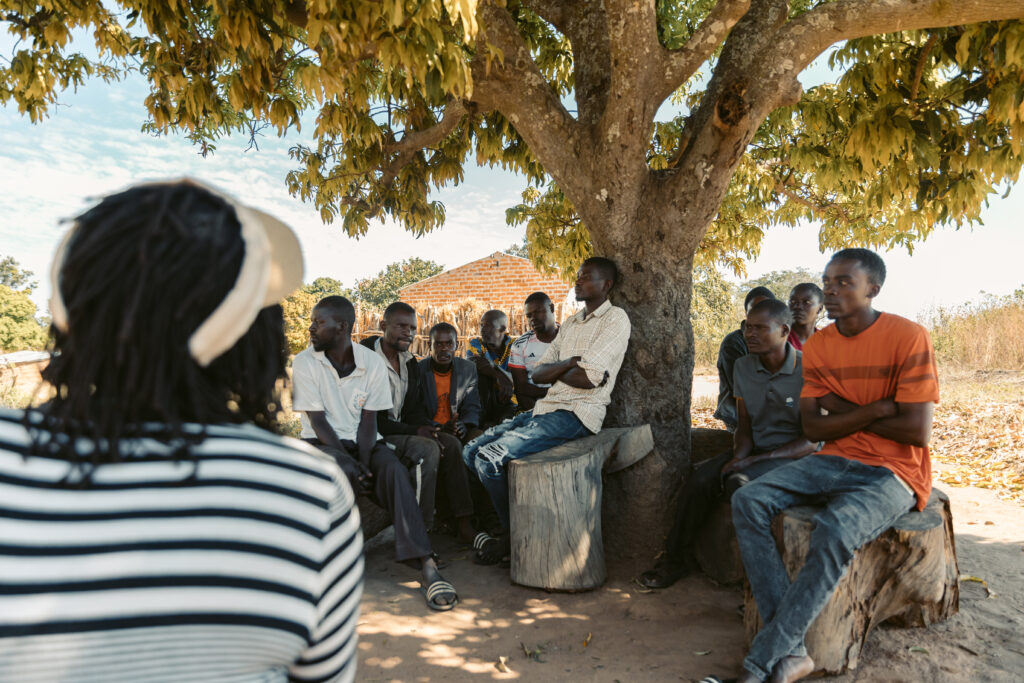
Why localization matters
For years, typical weather forecasts have described whole regions or districts. That scale is useful for planning across a country, but doesn’t necessarily account for localized conditions. DCAS changes that by tuning agro-met intelligence into advice specific to a four by four kilometre square, designed to give every farmer advice tailored for their own field.
As Mwale says, the benefits of this are huge: “Narrowing it down to a 4 by 4 radius gives that predictability and a farmer is able to determine on their farm that tomorrow maybe we will have rains, so let me not apply this particular type of fertilizer.”
The first season has given the Ministries something concrete to build on, and it is pushing the government to expand DCAS to the remaining seven provinces. Mwale ties that directly to feeding the nation: “Already this season we have seen a major improvement in the productivity of our staple food which is maize. We have hit 4.9 million metric tonnes.”
Better-timed advice to farmers, he says, is part of how Zambia intends to reach its national target of 10 million tonnes of maize by 2031.
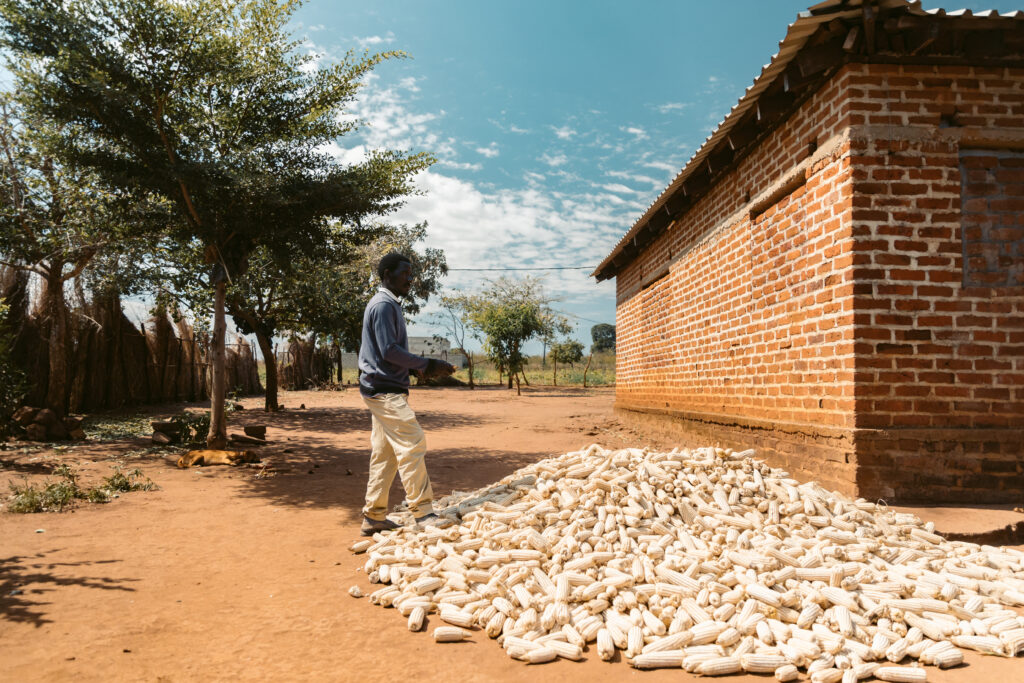
How DCAS changes the decisions farmers make
The value of the co-produced agro-met advisory message is in what it tells a farmer to do:
“Instead of us just telling the farmer it will rain tomorrow, we can tell them that even if it’s going to rain tomorrow, please do not plant, because we are expecting dry conditions later on,” Nkonde says.
On a smallholder farm, these are the decisions a whole year of food security and income can be impacted by, and the most expensive one is knowing when to plant.
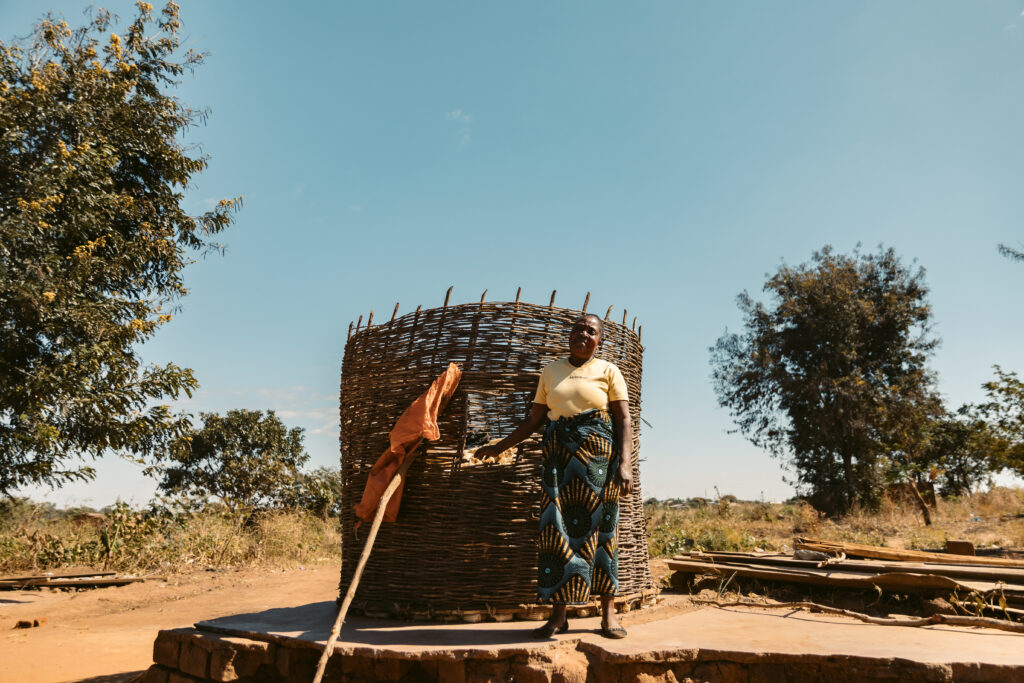
Grace Zulu has farmed the same land for years: ten acres of maize, soya beans and groundnuts in Chenjelani Village, in Zambia’s Eastern Province. Due to climate change, she has learned not to count on the predictability of seasons the way she once could. Two of the last four seasons brought good rain and two brought too little, and in the dry years the maize she planted struggled to grow.
This year the rains were good, and for once Grace was not guessing. When heavy rain was on the way, a text message told her to hold back from applying fertilizer, because the downpour would wash it off her fields before it did any good. So she waited.
"You told us when the rains are heavy we shouldn't plant or put fertilizer because the rain washes the fertilizer away. We followed the instructions and we saw that it was profitable."
Grace Zulu, Smallholder farmer, Zambia
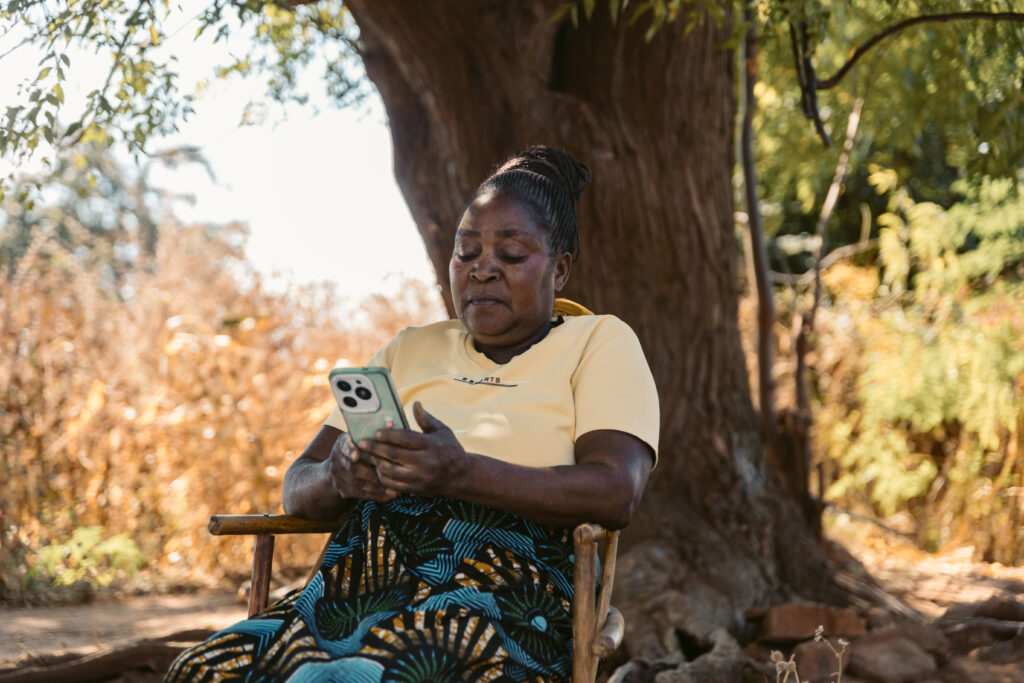
Wilford Banda, who grows maize on two hectares in Kayaba 2, Eastern Province, also knows the planting gamble well:
"In the past years we just used to plant anyhow because we never knew whether the rain would still continue raining or not. But after these messages started coming, we were informed on when we could start harvesting our maize."
Wilford Banda, Smallholder farmer, Zambia
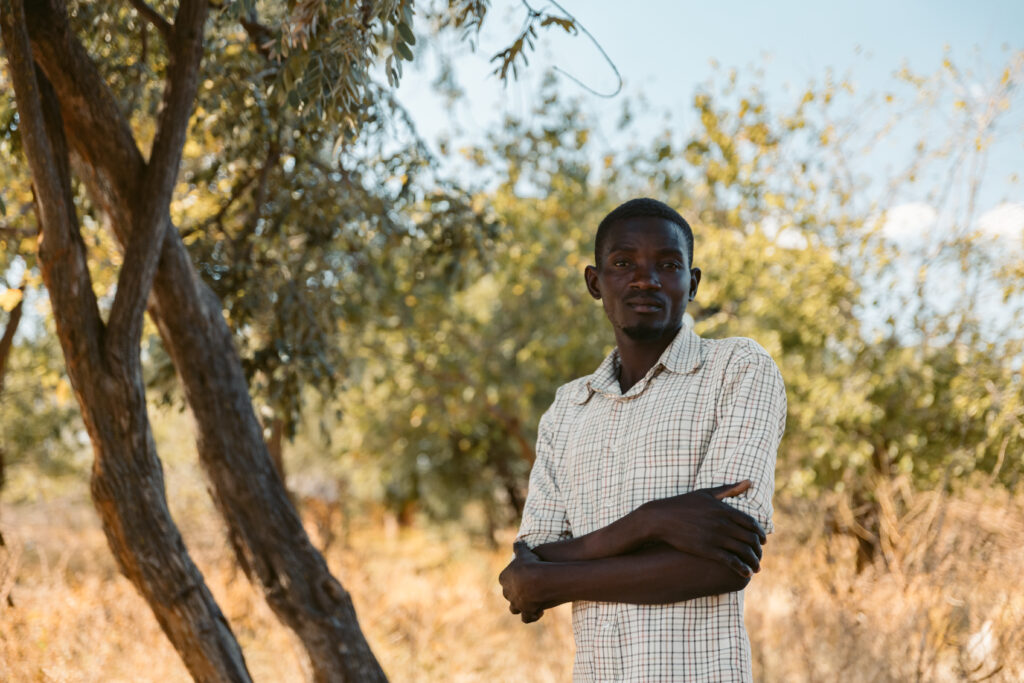
He trusted the messages within the first month because they matched what he saw in his own fields, and acted on them all season.
And for Grace, the good rains and the fertilizer she saved added up to her best year in a long time: around 300 bags of maize, well up on last season.
A system that's built to last
The Meteorological Department and Ministry of Agriculture are building DCAS with TomorrowNow from within the institutions farmers already rely on, in the languages farmers use. The goal is sovereign, sustainable infrastructure that the government can continue to run, improve and scale long after the initial funding ends.
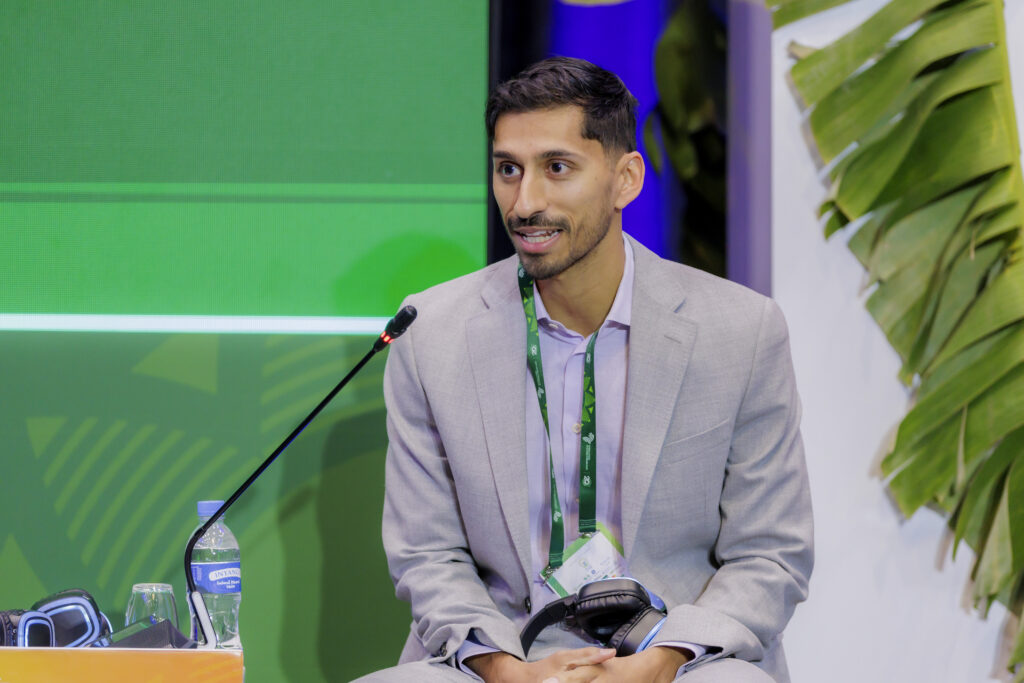
For TomorrowNow’s CEO Brian Miranda, that is only possible if the right institutions are aligned from the start.
"To build systems that last 5, 10, 15 years, you need the right institutions at the table on day one, with the met agency and the agriculture ministry working as one. No single institution can do this alone."
Brian Miranda, CEO, TomorrowNow
The payoff of building in this way is already easy to see: bigger harvests, and money that stays in a farmer’s pocket instead of washing away with the rain. “Without the messages it’s so difficult for us to know and understand the seasons. You are the ones who can remind us as farmers on when to be ready to plant,” Grace says.